チャン・ジュリアン: アチャチャ・ラテ
2026.05.20 - 2027.09.05
ウヤン美術館はウヤン芸術教育センター(Wooyang Center for Arts Education)の開館を記念して、フランス出身の現代美術作家のジャン・ジュリアン(Jean Jullien)の新しい展示「アチャチャ・ラテ」を開催する。ウヤン芸術教育センターは、子どもや青少年はもちろん大人に至るまで、芸術を単純な鑑賞の対象ではなく、自分で経験し、質問し、探求する過程で見てみたい教育哲学の上から出発する。今回の展示は完成した結果より想像と試行錯誤、そして作られる過程の中で芸術の意味を発見しようとするウヤン芸術教育センターの方向性を象徴的に表わす開館展として設けられた。
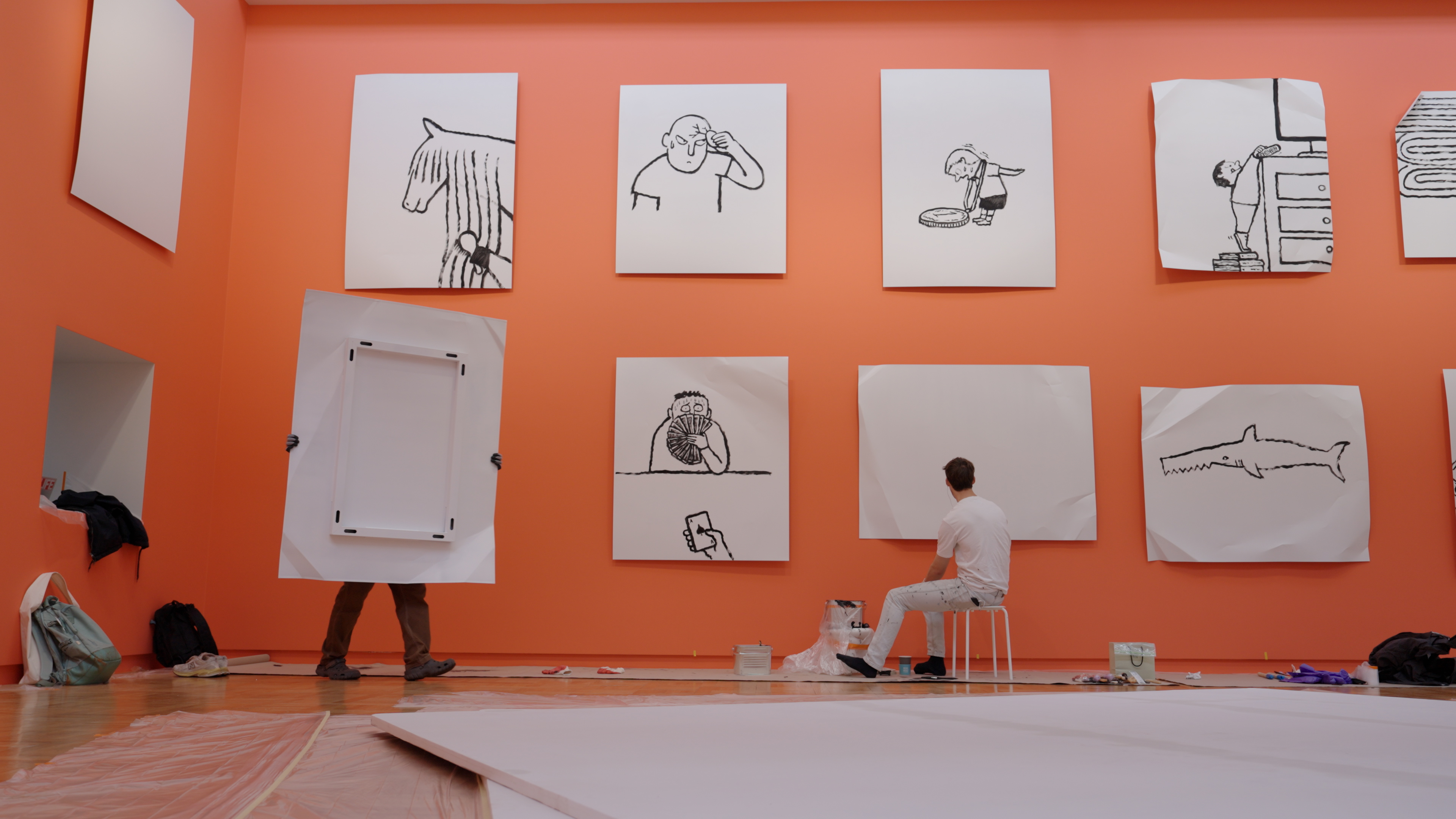
チャン・ジュリアンは特有のユーモアと気の利いた視線で現代人の日常と社会を観察し、描画、絵画、彫刻、設置、アニメーションなど様々な媒体を行き来する作業を披露してきた。単純で親しみやすいラインとキャラクターを通して誰でも共感できる感情と瞬間を捉える彼の作品は、子供と大人の両方に開かれた視覚言語を提案します。彼の作品では、図面は完成した画像に到達するための準備段階ではなく、思考が生まれ、動き、新しい形に拡張される最も直接的な創造の方法です。
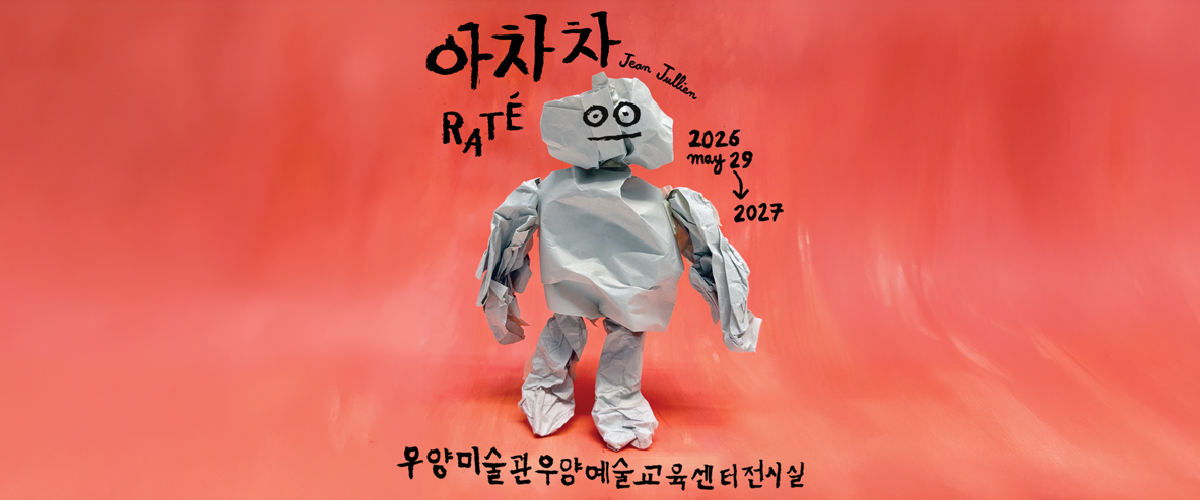
展示タイトルに登場するRatéはフランス語で「失敗した」、あるいは「逃した」という意味を持つ単語だ。しかし、ジャン・ジュリアンはこの言葉を単なる欲求不満や失敗の意味として使用しません。彼はむしろその中に隠れている可能性に注目する。 「失敗した試み」という意味を抱いているこのタイトルは、事実上失敗した試みは存在しないという考えを込めた愉快な言葉遊びでもある。展示の中のキャラクター「Paper boy」は、しわくちゃの紙の形をしたまま依然として堂々と立って生きている存在で表現される。作家は失敗と見なされた瞬間も、創作プロセスの中で別の可能性につながる可能性があることを話します。
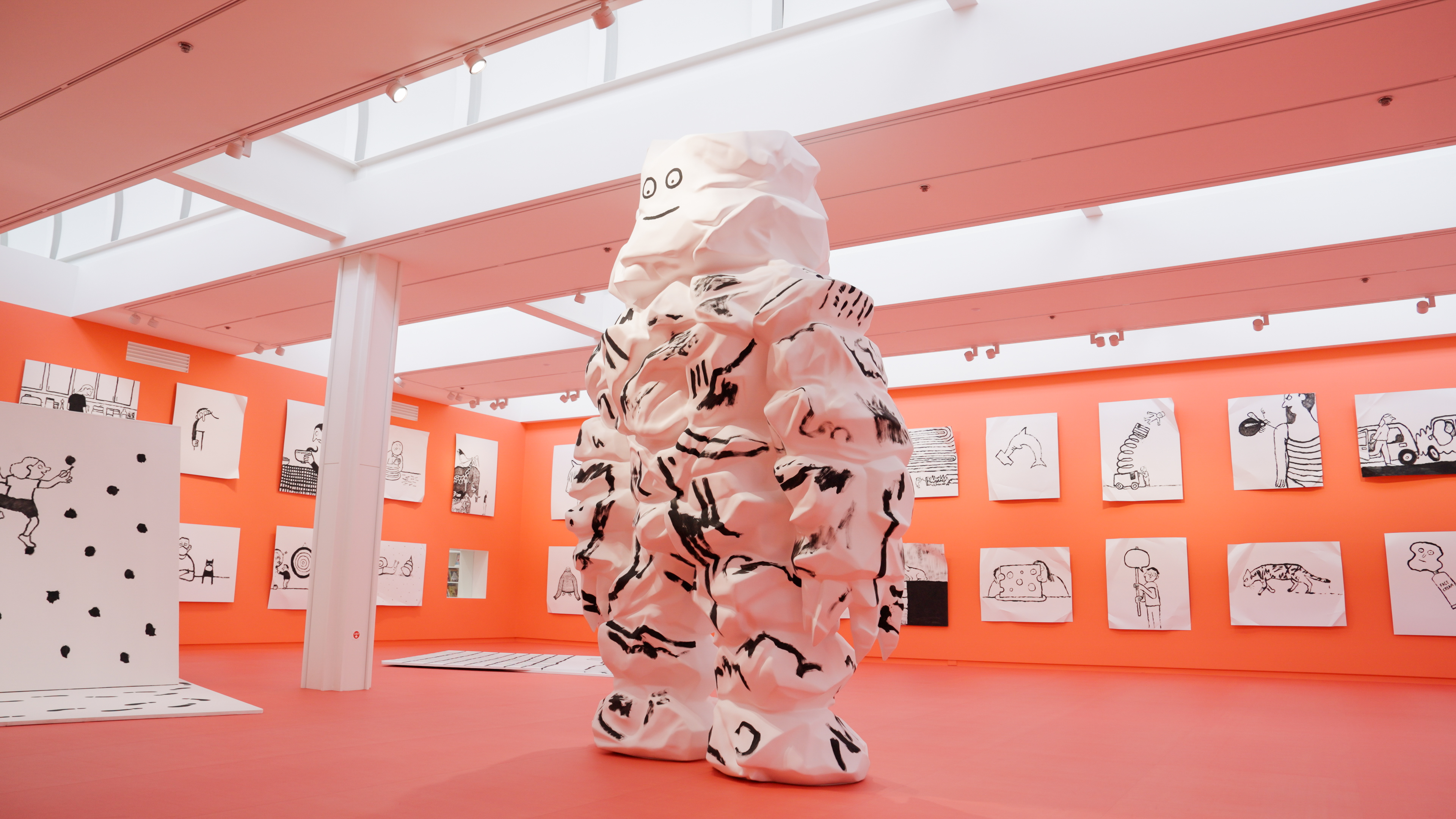
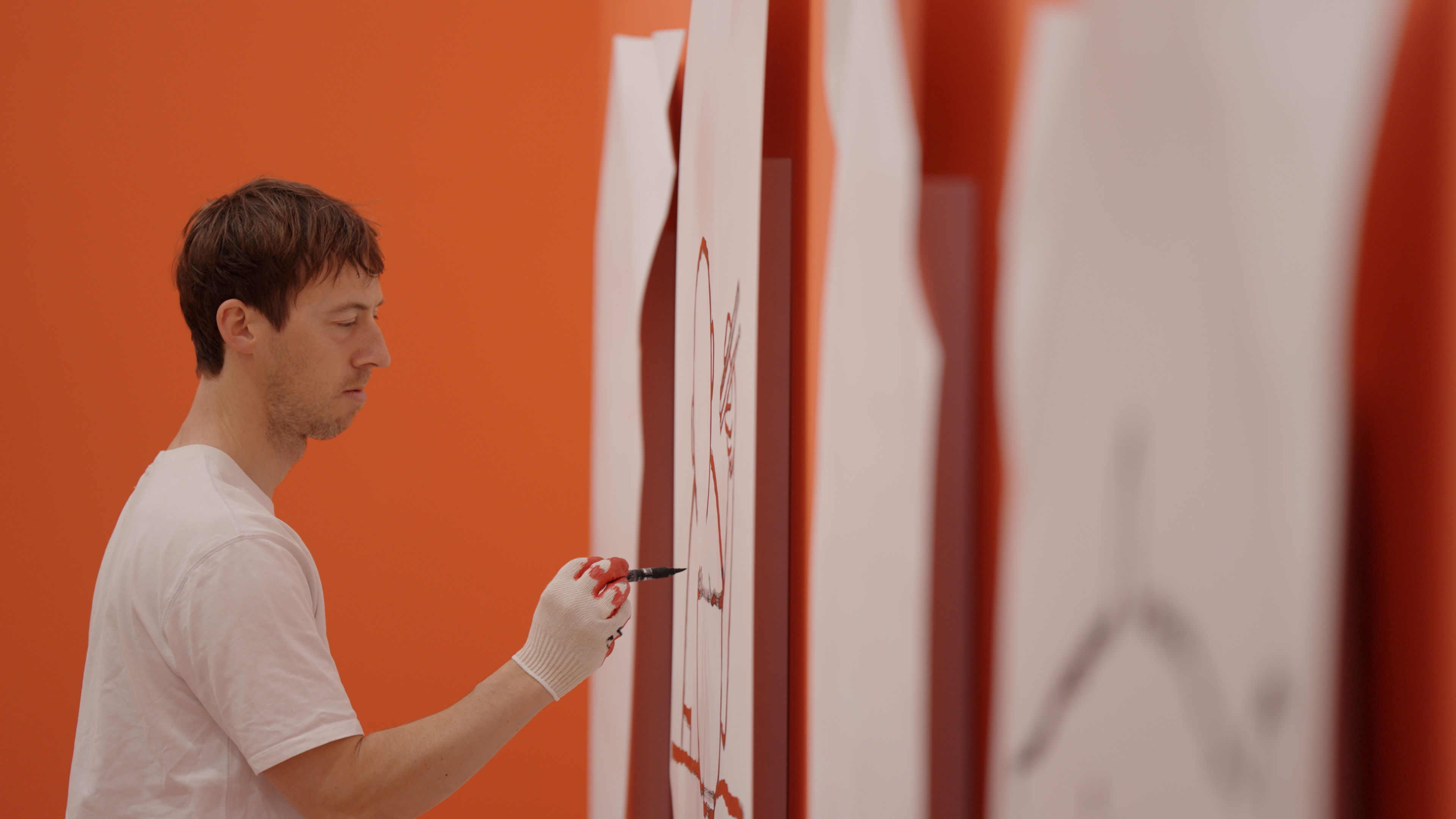
今回の展示は、特に子供と青少年が創作の過程を直接体験できるように企画された。完成した成果を示すのではなく、1つのアイデアがどのように生まれ、変形し、繰り返され、新しいイメージにつながるかを一緒に探求します。ジャン・ジュリアンの描画世界を基盤とした展示空間の中で、観覧客は一つの巨大な想像環境に入るようになる。しわくちゃの紙の形の大型パネルと空間のあちこちに置かれた彫刻は、まるで作家の作業室から飛び出した考えのように広がり、4.5mの大型彫刻〈Paper Boy〉は、描画と紙、そして無数のアイデアでいっぱいの創作の風景に力を加える。
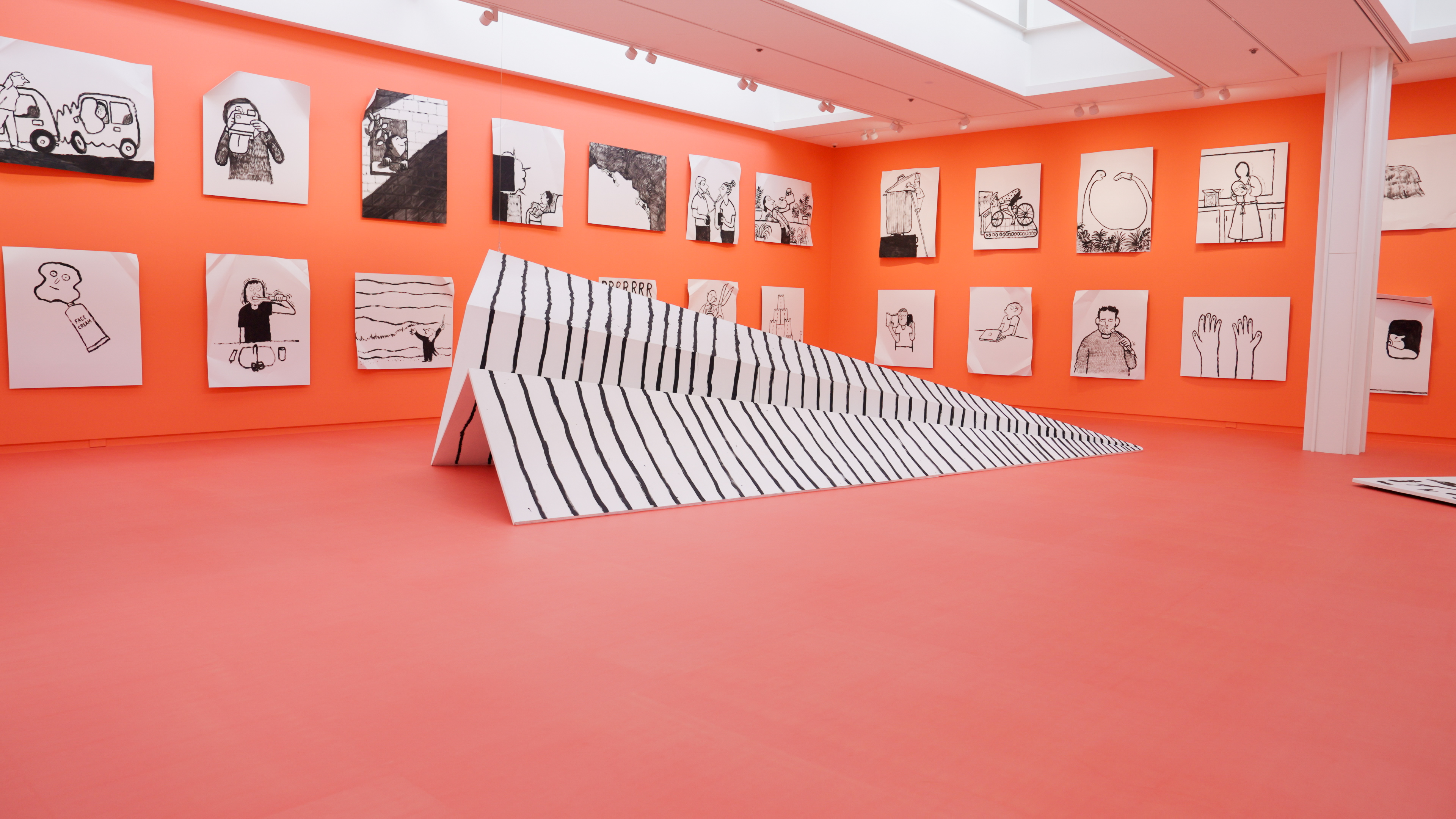
展示場に置かれた紙は単なる背景や造形物ではない。壁に設置され、床に置かれ、折れたり散らばった紙は、アイデアがとどまり、成長する場所になります。しわくちゃになっているように見える紙は新しい存在に生まれ変わり、未完成の考えと失敗した試みも別の可能性につながる可能性があることを象徴しています。この空間で観覧客は完璧な結果より先に描かれた線、計画と違って広がった形、偶然生じたミスの中で創作が始まる瞬間に直面することになる。
今日、私たちはSNSとAI技術によって洗練されたイメージと完成した結果に絶えず囲まれています。迅速で滑らかで隙間のないイメージは、時には私たちに間違えてはならないというプレッシャーを与えます。 《アチャチャラテ》はその反対側で話す。完璧ではない試み、失敗、そして間違いの中でも創作の可能性は始まることができると言う。
《アチャチャラテ》は観覧客に尋ねる。なぜ私たちは間違いを恐れるのですか?間違いは本当に失敗か、それとも創作が始まる別の名前なのか?ウヤン芸術教育センターの芸術教育哲学に共感して始まった今回の展示は、子供と青少年だけでなく、すべての世代に芸術を教育的次元で新たに眺めることができる視線を提案する。今回の展示を通じて創作の過程で「間違いはない」という勇気と、すべての試みがまた別の始まりになることができるという想像力が観覧客に伝わることを期待する。
To celebrate the opening of the Wooyang Center for Arts Education, Wooyang Museum presents 《Raté》, a new exhibition by French contemporary artist Jean Jullien. The Wooyang Center for Arts Education begins with an educational philosophy that understands art not simply as something to be viewed, but as a process to be experienced, questioned, and explored by children, teenagers, and adults alike. As the Center's inaugural exhibition, 《Raté》 symbolically reflects this direction, inviting audiences to discover the meaning of art not only in finished outcomes, but also in imagination, trial and error, and the act of making itself.
Jean Jullien has long observed everyday life and contemporary society with his distinctive humor and wit, working across drawing, painting, sculpture, installation, and animation. Through simple yet familiar lines and characters, his work captures emotions and moments that resonate with audiences of all ages. In Jullien's practice, drawing is not merely a preparatory stage leading toward a completed image. Rather, it is the most immediate form of creation — a space where thoughts are born, move, and expand into new forms.
The word Raté in the exhibition title is French for “failed” or “missed.” Yet Jullien does not use the word simply to refer to frustration or failure. Instead, he turns our attention to the possibilities hidden within it. Carrying the meaning of a “failed attempt,” the title also becomes a playful wordplay that suggests there may, in fact, be no such thing as a failed attempt. The character "Paper boy" appears in the exhibition as a crumpled piece of paper — yet it stands proudly, full of life. Through this figure, the artist reminds us that moments we consider mistakes or failures can also lead to new possibilities within the creative process.
This exhibition has been especially conceived to allow children and young people to experience the process of creation firsthand. Rather than presenting only finished works, it explores how a single idea is born, transformed, repeated, and connected to new images. Within an exhibition space shaped by Jullien's drawings, visitors enter a vast environment of imagination. Large crumpled paper panels and sculptures placed throughout the space unfold like thoughts that have just sprung from the artist's studio, while the 4.5-meter-tall sculpture Paper Boy adds further energy to this landscape of drawing, paper.
The papers in the exhibition are not mere backgrounds or sculptural elements. Installed on walls, placed on the floor, folded, scattered, and crumpled, they become places where ideas pause, grow, and take shape. What may appear to be discarded or failed is reborn as a new presence, symbolizing how unfinished thoughts and mistaken attempts can open onto other possibilities. In this space, visitors encounter the moment creation begins — in the first line drawn before perfection, in forms that spread beyond intention, and in accidents that arise by chance.
Today, we are constantly surrounded by refined images and polished results through social media and AI technology. Fast, seamless, and flawless images can sometimes place pressure on us not to make mistakes. 《Raté》 speaks from the opposite side. It tells us that creative possibility can begin precisely in imperfect attempts, failures, and mistakes.
《Raté》 asks its visitors: Why are we afraid of making mistakes? Is a mistake truly a failure, or could it be another name for the beginning of creation? Initiated in sympathy with the educational philosophy of the Wooyang Center for Arts Education, this exhibition offers not only children and teenagers, but audiences of all generations, a renewed perspective on art as an educational experience. Through this exhibition, we hope visitors will carry with them the courage to believe that “there are no mistakes” in the creative process, and the imagination to see every attempt as the beginning of something new.

チャン・ジュリアン: アチャチャ・ラテ
2026.05.20 - 2027.09.05
ウヤン美術館はウヤン芸術教育センター(Wooyang Center for Arts Education)の開館を記念して、フランス出身の現代美術作家のジャン・ジュリアン(Jean Jullien)の新しい展示「アチャチャ・ラテ」を開催する。ウヤン芸術教育センターは、子どもや青少年はもちろん大人に至るまで、芸術を単純な鑑賞の対象ではなく、自分で経験し、質問し、探求する過程で見てみたい教育哲学の上から出発する。今回の展示は完成した結果より想像と試行錯誤、そして作られる過程の中で芸術の意味を発見しようとするウヤン芸術教育センターの方向性を象徴的に表わす開館展として設けられた。
チャン・ジュリアンは特有のユーモアと気の利いた視線で現代人の日常と社会を観察し、描画、絵画、彫刻、設置、アニメーションなど様々な媒体を行き来する作業を披露してきた。単純で親しみやすいラインとキャラクターを通して誰でも共感できる感情と瞬間を捉える彼の作品は、子供と大人の両方に開かれた視覚言語を提案します。彼の作品では、図面は完成した画像に到達するための準備段階ではなく、思考が生まれ、動き、新しい形に拡張される最も直接的な創造の方法です。
展示タイトルに登場するRatéはフランス語で「失敗した」、あるいは「逃した」という意味を持つ単語だ。しかし、ジャン・ジュリアンはこの言葉を単なる欲求不満や失敗の意味として使用しません。彼はむしろその中に隠れている可能性に注目する。 「失敗した試み」という意味を抱いているこのタイトルは、事実上失敗した試みは存在しないという考えを込めた愉快な言葉遊びでもある。展示の中のキャラクター「Paper boy」は、しわくちゃの紙の形をしたまま依然として堂々と立って生きている存在で表現される。作家は失敗と見なされた瞬間も、創作プロセスの中で別の可能性につながる可能性があることを話します。
今回の展示は、特に子供と青少年が創作の過程を直接体験できるように企画された。完成した成果を示すのではなく、1つのアイデアがどのように生まれ、変形し、繰り返され、新しいイメージにつながるかを一緒に探求します。ジャン・ジュリアンの描画世界を基盤とした展示空間の中で、観覧客は一つの巨大な想像環境に入るようになる。しわくちゃの紙の形の大型パネルと空間のあちこちに置かれた彫刻は、まるで作家の作業室から飛び出した考えのように広がり、4.5mの大型彫刻〈Paper Boy〉は、描画と紙、そして無数のアイデアでいっぱいの創作の風景に力を加える。
展示場に置かれた紙は単なる背景や造形物ではない。壁に設置され、床に置かれ、折れたり散らばった紙は、アイデアがとどまり、成長する場所になります。しわくちゃになっているように見える紙は新しい存在に生まれ変わり、未完成の考えと失敗した試みも別の可能性につながる可能性があることを象徴しています。この空間で観覧客は完璧な結果より先に描かれた線、計画と違って広がった形、偶然生じたミスの中で創作が始まる瞬間に直面することになる。
今日、私たちはSNSとAI技術によって洗練されたイメージと完成した結果に絶えず囲まれています。迅速で滑らかで隙間のないイメージは、時には私たちに間違えてはならないというプレッシャーを与えます。 《アチャチャラテ》はその反対側で話す。完璧ではない試み、失敗、そして間違いの中でも創作の可能性は始まることができると言う。
《アチャチャラテ》は観覧客に尋ねる。なぜ私たちは間違いを恐れるのですか?間違いは本当に失敗か、それとも創作が始まる別の名前なのか?ウヤン芸術教育センターの芸術教育哲学に共感して始まった今回の展示は、子供と青少年だけでなく、すべての世代に芸術を教育的次元で新たに眺めることができる視線を提案する。今回の展示を通じて創作の過程で「間違いはない」という勇気と、すべての試みがまた別の始まりになることができるという想像力が観覧客に伝わることを期待する。
To celebrate the opening of the Wooyang Center for Arts Education, Wooyang Museum presents 《Raté》, a new exhibition by French contemporary artist Jean Jullien. The Wooyang Center for Arts Education begins with an educational philosophy that understands art not simply as something to be viewed, but as a process to be experienced, questioned, and explored by children, teenagers, and adults alike. As the Center's inaugural exhibition, 《Raté》 symbolically reflects this direction, inviting audiences to discover the meaning of art not only in finished outcomes, but also in imagination, trial and error, and the act of making itself.
Jean Jullien has long observed everyday life and contemporary society with his distinctive humor and wit, working across drawing, painting, sculpture, installation, and animation. Through simple yet familiar lines and characters, his work captures emotions and moments that resonate with audiences of all ages. In Jullien's practice, drawing is not merely a preparatory stage leading toward a completed image. Rather, it is the most immediate form of creation — a space where thoughts are born, move, and expand into new forms.
The word Raté in the exhibition title is French for “failed” or “missed.” Yet Jullien does not use the word simply to refer to frustration or failure. Instead, he turns our attention to the possibilities hidden within it. Carrying the meaning of a “failed attempt,” the title also becomes a playful wordplay that suggests there may, in fact, be no such thing as a failed attempt. The character "Paper boy" appears in the exhibition as a crumpled piece of paper — yet it stands proudly, full of life. Through this figure, the artist reminds us that moments we consider mistakes or failures can also lead to new possibilities within the creative process.
This exhibition has been especially conceived to allow children and young people to experience the process of creation firsthand. Rather than presenting only finished works, it explores how a single idea is born, transformed, repeated, and connected to new images. Within an exhibition space shaped by Jullien's drawings, visitors enter a vast environment of imagination. Large crumpled paper panels and sculptures placed throughout the space unfold like thoughts that have just sprung from the artist's studio, while the 4.5-meter-tall sculpture Paper Boy adds further energy to this landscape of drawing, paper.
The papers in the exhibition are not mere backgrounds or sculptural elements. Installed on walls, placed on the floor, folded, scattered, and crumpled, they become places where ideas pause, grow, and take shape. What may appear to be discarded or failed is reborn as a new presence, symbolizing how unfinished thoughts and mistaken attempts can open onto other possibilities. In this space, visitors encounter the moment creation begins — in the first line drawn before perfection, in forms that spread beyond intention, and in accidents that arise by chance.
Today, we are constantly surrounded by refined images and polished results through social media and AI technology. Fast, seamless, and flawless images can sometimes place pressure on us not to make mistakes. 《Raté》 speaks from the opposite side. It tells us that creative possibility can begin precisely in imperfect attempts, failures, and mistakes.
《Raté》 asks its visitors: Why are we afraid of making mistakes? Is a mistake truly a failure, or could it be another name for the beginning of creation? Initiated in sympathy with the educational philosophy of the Wooyang Center for Arts Education, this exhibition offers not only children and teenagers, but audiences of all generations, a renewed perspective on art as an educational experience. Through this exhibition, we hope visitors will carry with them the courage to believe that “there are no mistakes” in the creative process, and the imagination to see every attempt as the beginning of something new.